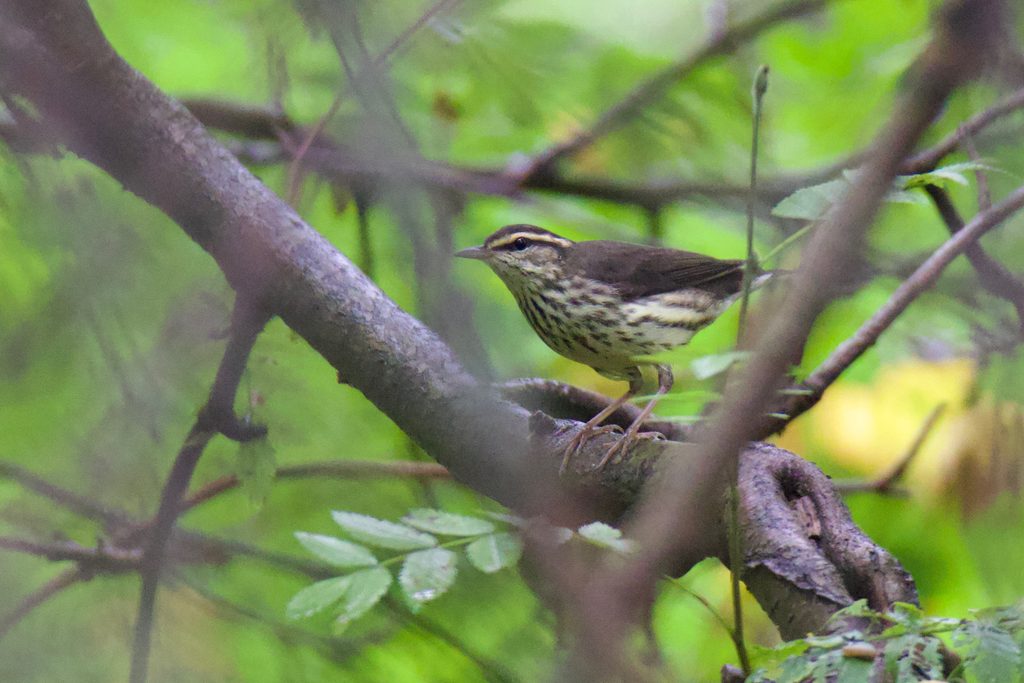
Fluctuations in waterbird activity throughout the fall season are expected and depend primarily on factors like weather and even time of season. Cooler fall mornings can be ideal for migration in September. However, calmer south winds this week produced a thick fog over the Straits for multiple mornings. These conditions certainly hindered counting ability and stalled waterbird activity.
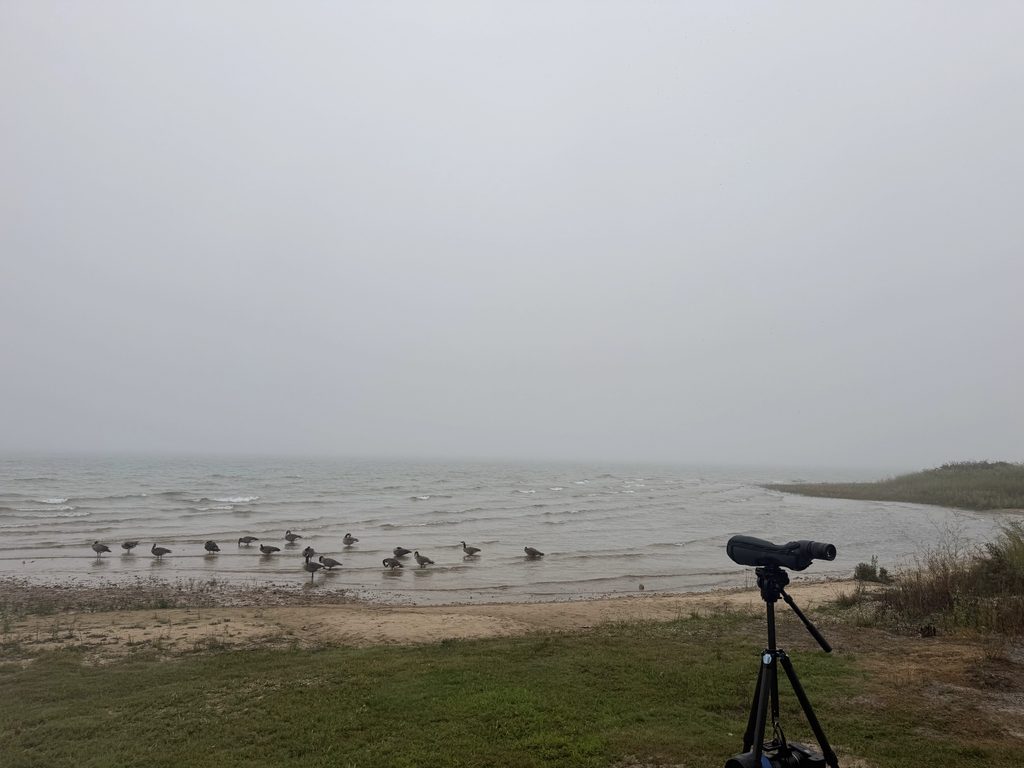
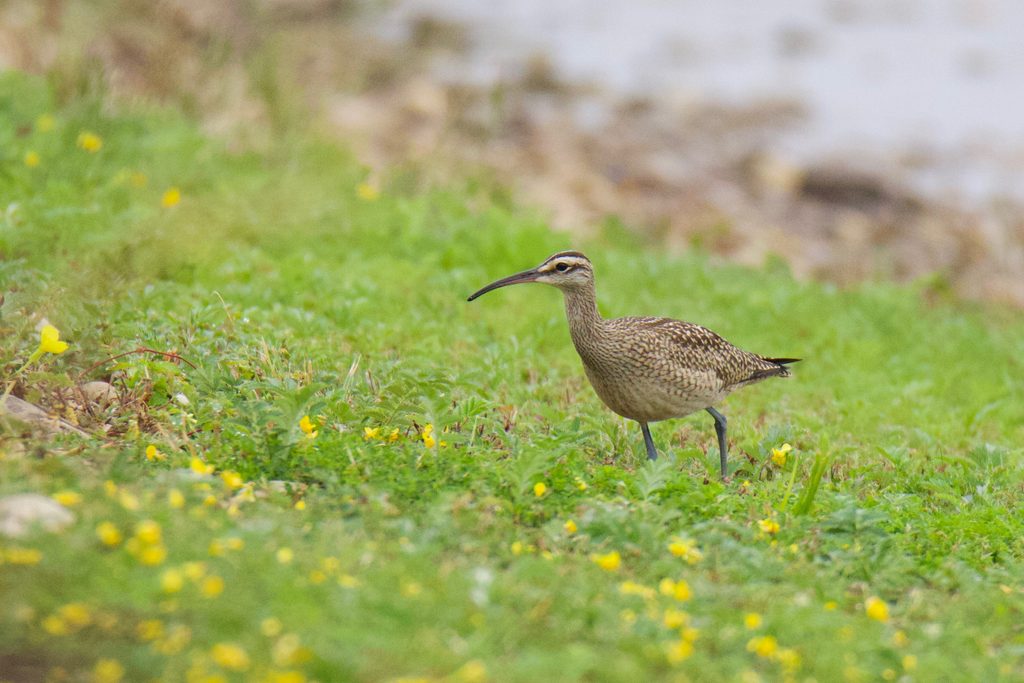
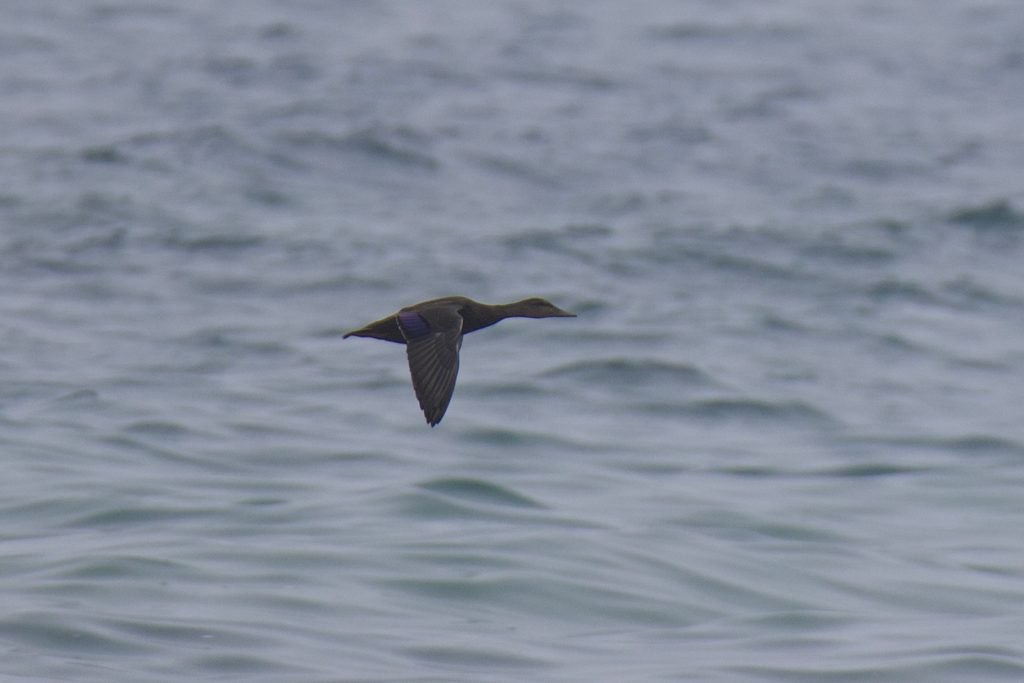
While these calm, foggy conditions were mostly unfavorable, several early migrants still trickled through this week. A variety of shorebirds are continuing to move through the Great Lakes region and can be a common occurrence at the waterbird count through September. A particular highlight this week was a Hudsonian Whimbrel that landed at Graham Point before continuing east. Other notable sightings this week include: Red-throated Loon (1), Trumpeter Swan(4), White-winged Scoter(1), Hooded Merganser(11), American Black Duck(1), Common Goldeneye (4), and Bonaparte’s Gull (9).
Fall Monarch butterfly migration is an impressive phenomenon in the Mackinac Straits. Hundreds of Monarchs can be observed actively migrating and crossing over the straits daily heading south. Have you been seeing more Monarchs lately? Peak songbird and warbler morning flight movements will highlight the waterbird count through September. Counting waterbirds can be difficult when there’s several species of warblers chipping just behind you. September conditions will produce impressive waterbird counts filled with increased diversity in not only ducks but also songbirds, warblers, finches, geese, cranes and more.