Week 11 & 12 Totals are in ().
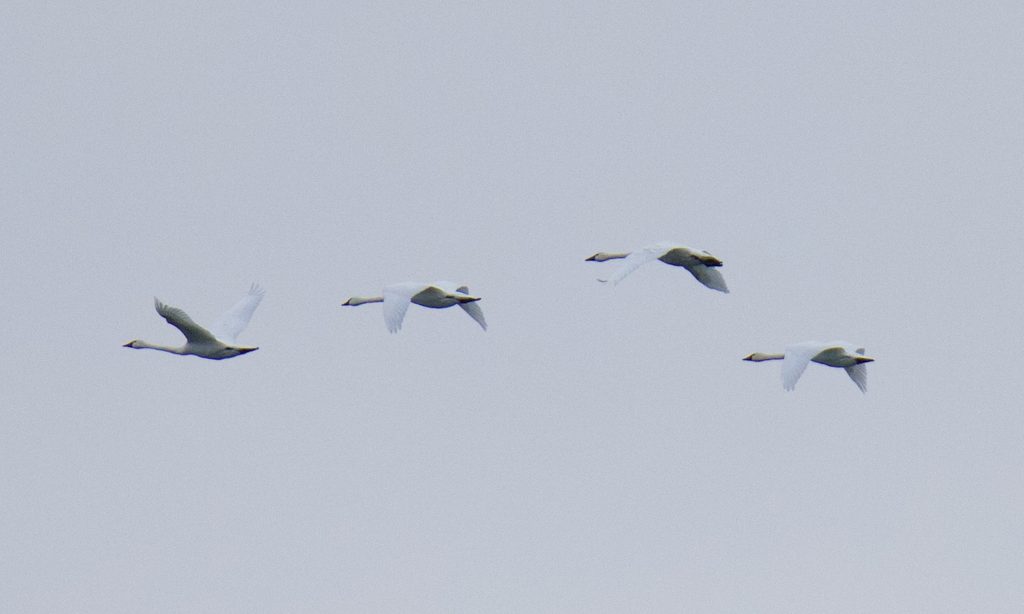
The ending of October provided a notable shift in waterfowl through the Great Lakes region, mostly behind north and northwest winds. Overnight temperatures finally dropped below 40 degrees in the Mackinac Straits on the night of the 30th and 31st. The count’s last Trumpeter Swans(2) were observed heading south on 10/27 as locals move out of the northern Great Lakes. Mute Swans(19) also continued to move along the lakeshore with several sporadic group flybys. On a calm day, an observer can actually hear Mute Swans coming from a distance with their distinct, loud wing whistle in flight. Following the end of October temperature drop, the count saw several movements of migrant Tundra Swans(13) continuing into November! These small swans are known to gather in large numbers and forage in agricultural fields around the Great Lakes in the winter.
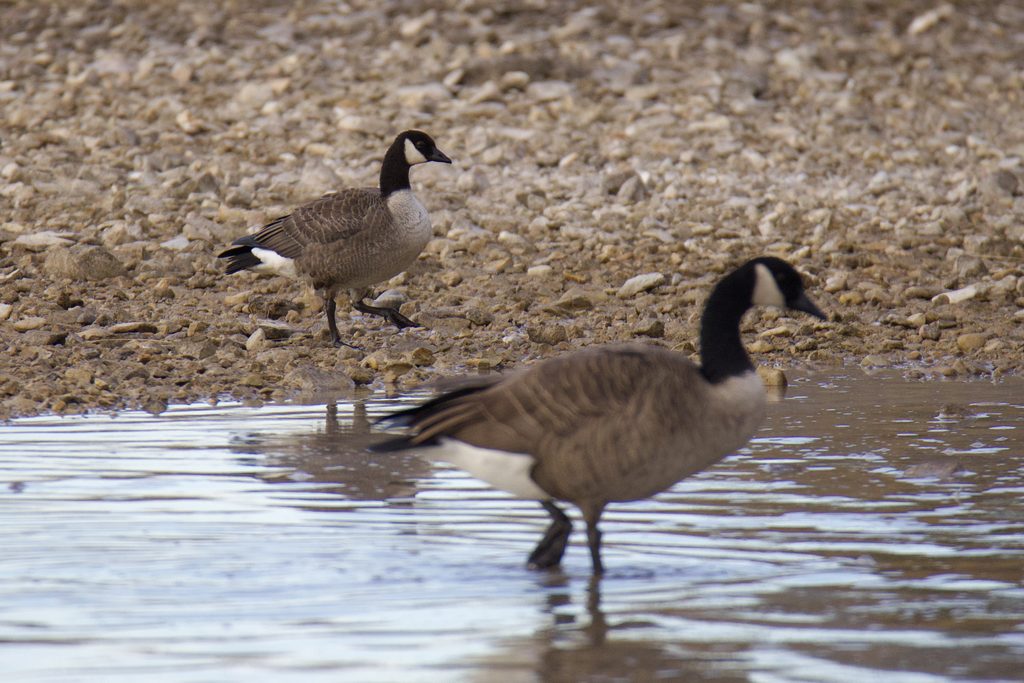
Goose movement has dropped significantly since peak waves in September and early October. Canada Goose(143) flocks are still trickling through, but in smaller numbers as flocks continue to head further south and congregate on lakes, ponds and agricultural fields. This fall saw good numbers of the diminutive Cackling Goose(1). A final count total of seventeen individuals were observed this fall with an additional individual sighted on 11/01 at Graham Point, associating amongst a small group of Canada Geese. Surprisingly, no other expected goose species was observed during the count this fall. That doesn’t mean these species like Snow Goose, Ross’s Goose and Greater White-fronted Goose aren’t moving through the Great Lakes region in small numbers.
Sightings of dabbling ducks and teal become less frequent as the season progresses into late fall. During non-breeding winter season, ducks become more gregarious and gather in mixed social flocks as lakes and ponds begin to freeze with overnight frosts. Dabblers in the northern Great Lakes are seemingly replaced by massive numbers of sea ducks and diving ducks like Long-tailed Ducks(7,285) and Common Goldeneye(205). After a warm start to November, strong north winds and light rain brought an influx of 4,546 Long-tailed Ducks past McGulpin Point on the morning of 11/06! Bufflehead(40) observations also continued to increase following recent cold weather. White-winged Scoters(331) are now a daily highlight in late fall with occasional flocks seen migrating through. October is typically when peak scoter migration occurs. Individuals of Surf Scoters(10) and Black Scoter(10) always provide excitement during the count as these scoter species are far less frequently observed on the Great Lakes.
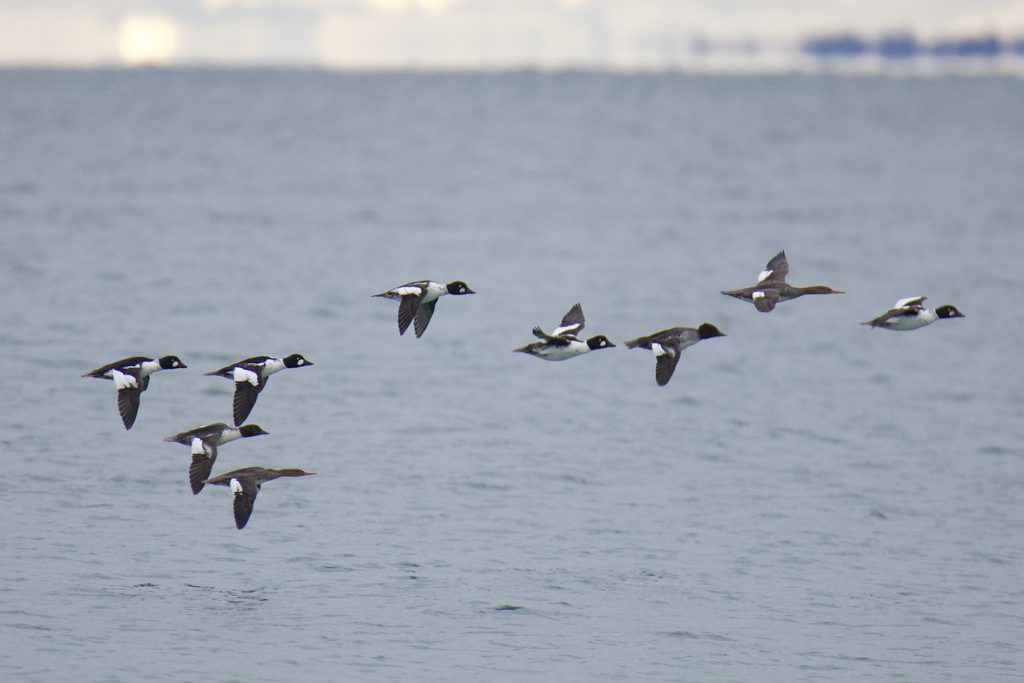
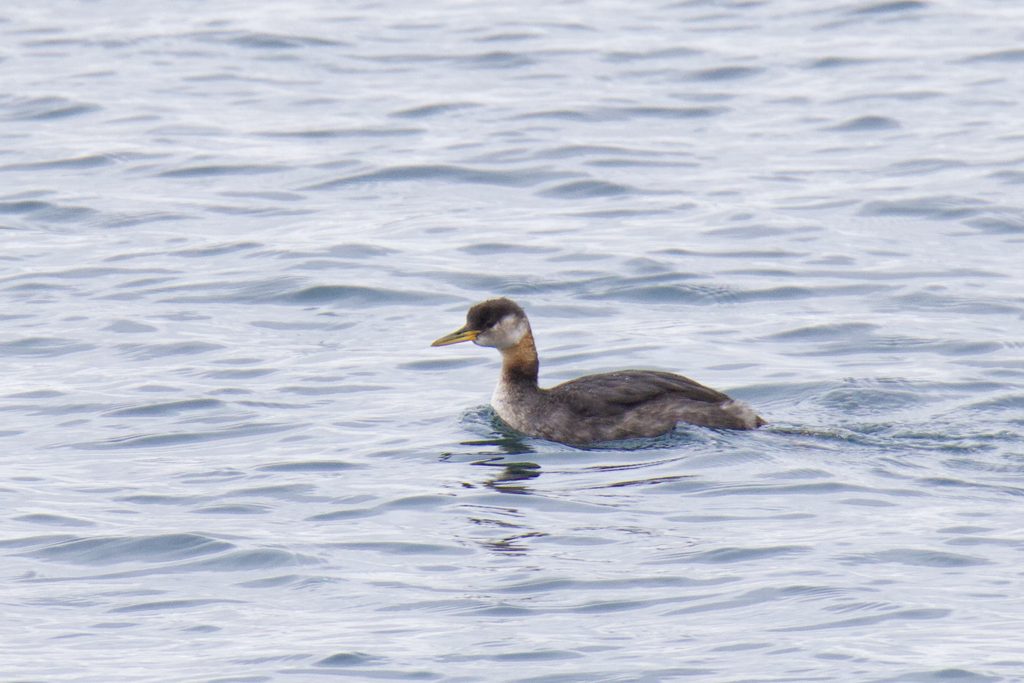
Merganser flocks are another daily occurrence to the fall waterbird count with peak Red-breasted Merganser(743) movement beginning at the end of October and continuing into November. Common Mergansers(49) and Hooded Mergansers(18) are now far less frequently observed with few local individuals remaining along the northern lakeshore. Horned Grebes are most often observed resting or diving in front of both McGulpin and Graham Point. Notably during west and northwest winds this season, these awkward flying grebes can be seen actively flying in small numbers past the count. A late movement of twenty-seven Red-necked Grebes(56) moved by McGulpin Point on 10/27, also following the recent temperature drop. These larger grebes can commonly appear diving out on larger lakes during the fall season.
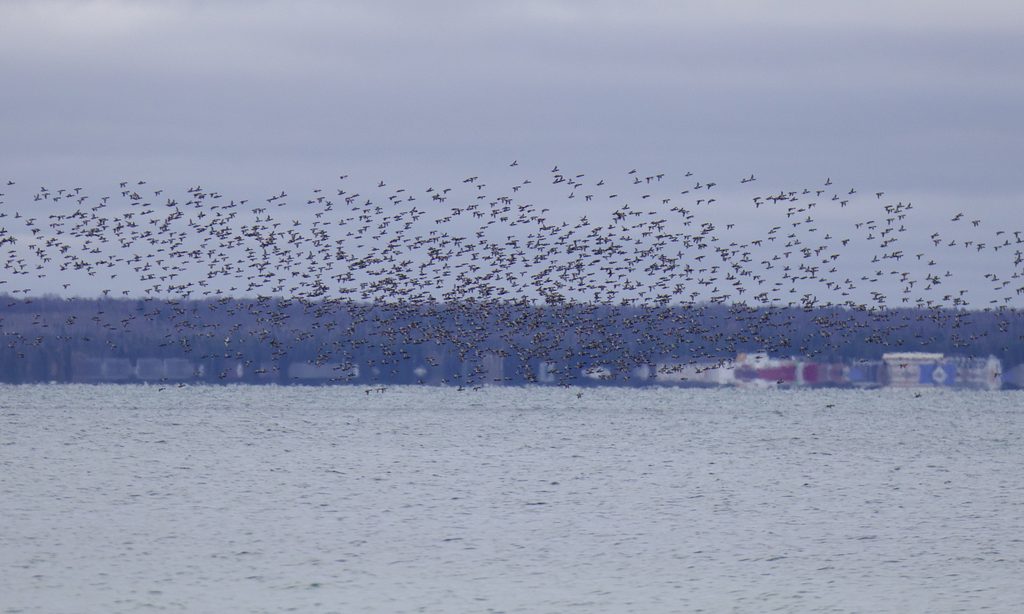
The dominant Redhead(12,235) flock alongside the Mackinac Bridge and in front of Graham Point continues to grow by the thousands. The final count of staging individuals on 11/09 was an impressive 3,556 Redhead. This staging number of Redhead is expected to significantly increase throughout November as more ducks arrive. Small numbers of Greater Scaup(45) and Lesser Scaup(18) continued to move amongst the Redhead. Occasionally a boat or ship will pass by and flush the tightly packed Redhead flock in the air, sending massive waves of flying Redhead and any other resting ducks in all directions!
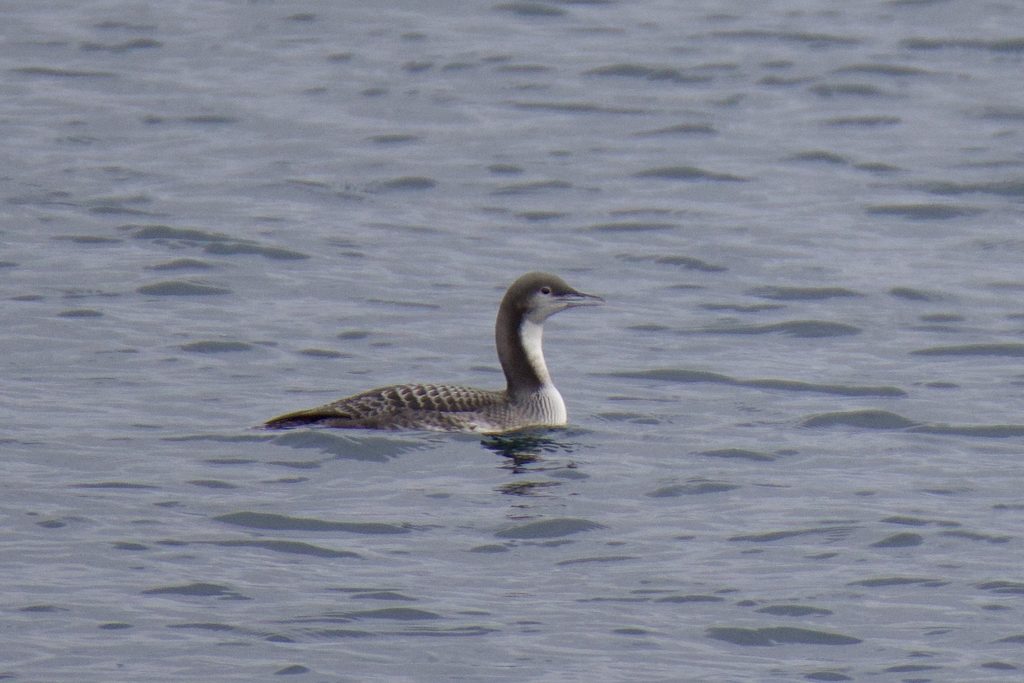
Loon flights are one of the most fascinating and significant migration experiences during the Mackinac Straits fall waterbird count. Common Loons(202) dominated all season with daily movements of these massive flying waterbirds. Red-throated Loons(7) are always exciting to observe in flight as they are far less frequently seen than Common Loons. Red-throated loon sightings steadily dropped towards the latter part of October. Loons tend to follow along the larger Great Lakes lakeshore during migration. Loon flights are unique with flocks occasionally seen flying high overhead and even over land. This fall season’s first Pacific Loon(1) appeared diving in front of Graham Point early on the morning of 11/09! Luckily this bird was remarkably close in front of the point all morning and was able to be enjoyed by many other observers that day! (See cover photo). The beginning of the fall season was filled with local Double-crested Cormorants(23) flying to and from nesting grounds to forage around the Straits. As the season and migration have progressed, hundreds of daily cormorant sightings are now just small groups or single birds as almost all of these large waterbirds have moved south by now.
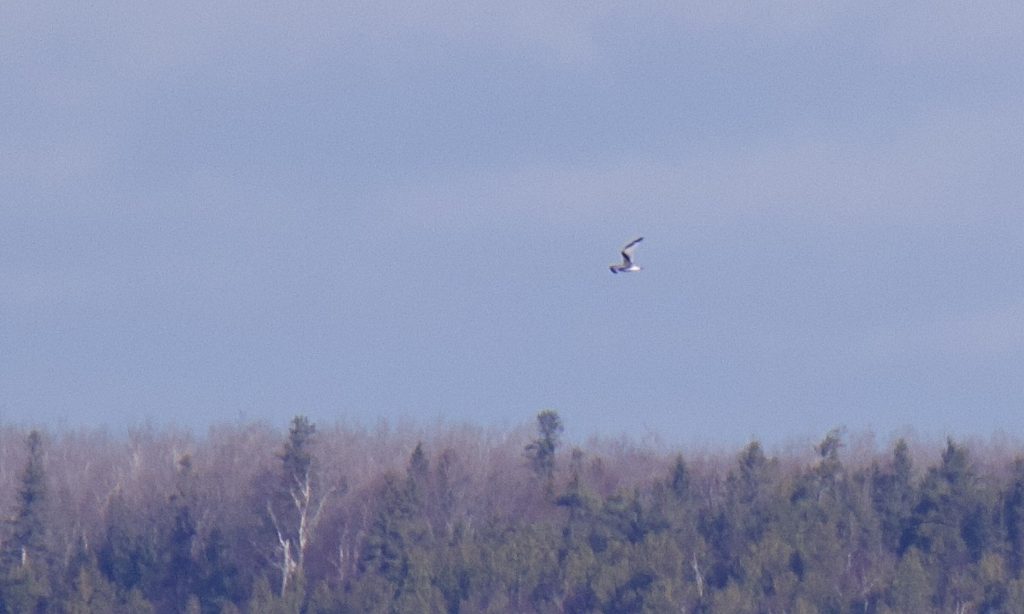
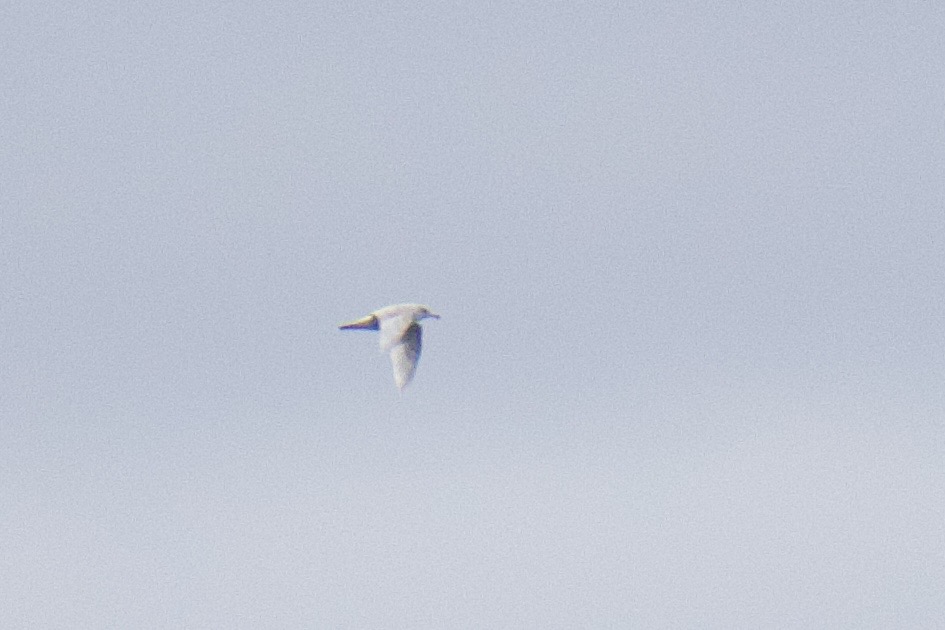
By late fall season, most of the local breeding gulls have also moved on south by now with significantly fewer gull observations in recent days. The more winter hardy American Herring Gull(252) now outnumber the smaller Ring-billed Gull(137). Social groups and individual Bonaparte’s Gulls(21) continued to move past the count throughout the end of the season. The waterbird count saw further gull diversity with the first Iceland Gull(1) of the season on 11/07! This immature individual was a Kumlien’s subspecies. The final day of the count brought additional excitement when two Black-legged Kittiwake’s(2) bounded by heading northeast!! Both these Kittiwakes were immature individuals which are known for their unique dark ‘M’ on their back and dark hind collar. An amazing addition to an already compelling waterbird season!
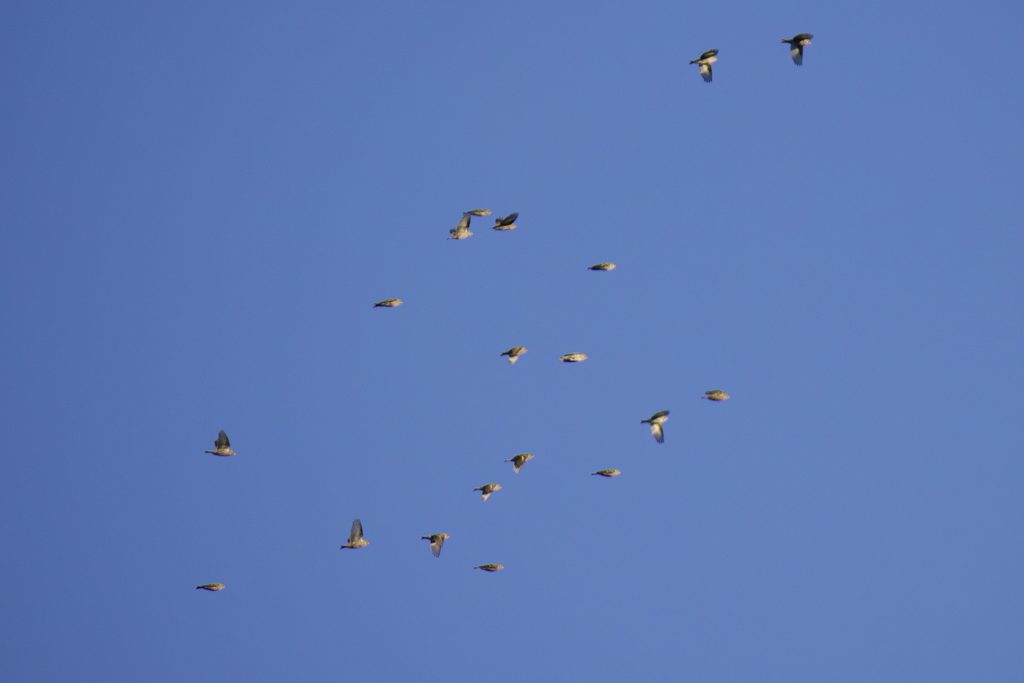
Notable waterbird movement trended behind northernly winds all season. Calm, south winds typically saw a drop in waterbird activity and migration. South winds brought an unusually warm start to November between recent cold fronts and duck movements. Significant passerine movement did occur during these southern winds interestingly. Notable flights of American Goldfinches(1,403) and Pine Siskin(349) took place on 10/31, 11/02, and 11/07. Mixed between these flocks of finches came smaller numbers of Purple Finch(41), White-winged Crossbills(55), Red Crossbills(8), Evening Grosbeaks(39) and Pine Grosbeaks(5)! Movements of winter finches are a good sign that winter weather is on it’s way!
This concludes the 2026 MSRW fall waterbird count! Just because the count season is over, doesn’t mean that migration isn’t still happening! To see the final season waterbird totals follow this link to our site data! https://www.mackinacraptorwatch.org/research-data/site-count-data/
It’s been an absolute pleasure being your waterbird counter this season! – Jack Kew