Hello and welcome to the first week of the MSRW fall owl banding blog!
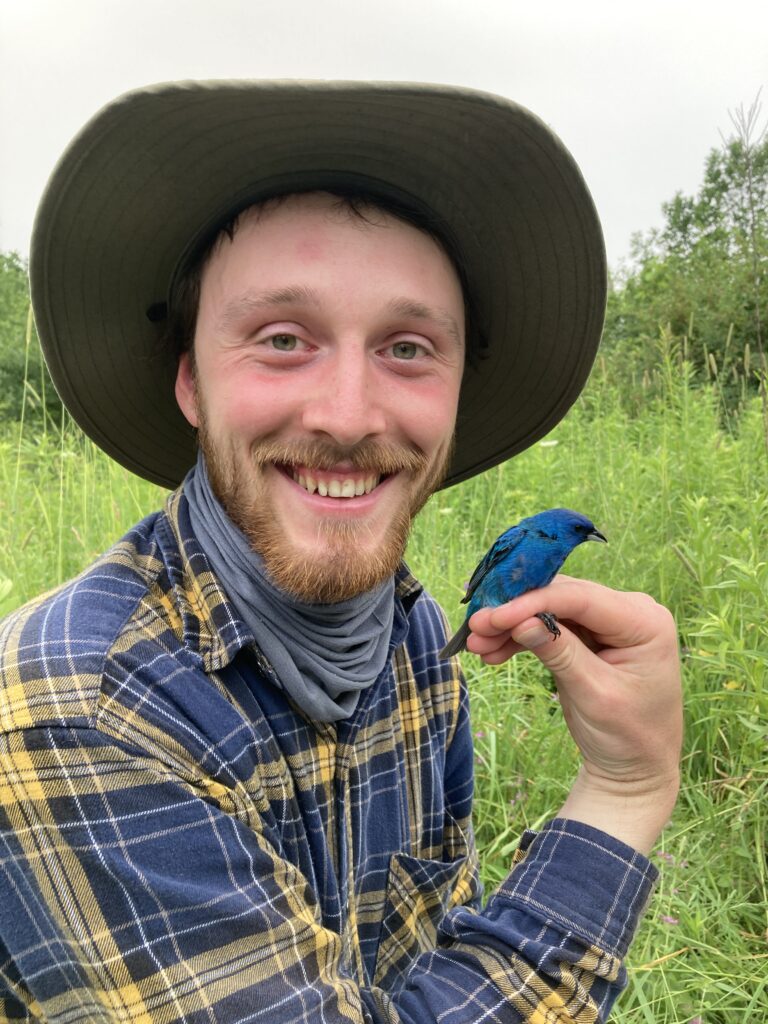
My name is John, and I am the lead owl bander this fall! Originally from upstate New York, I have now lived and worked in a number of states, following the transient field biologist path. I have had the privilege of working with many exciting and endangered species over my now 16 seasons of avian field work, perhaps most memorably Marbled Murrelets in the wet northern forests of Oregon and Golden-winged Warblers in the brushy field edges of my home state. I have run NSWO banding stations for the past two falls, and am excited to spend my third here at MSRW for the first time.
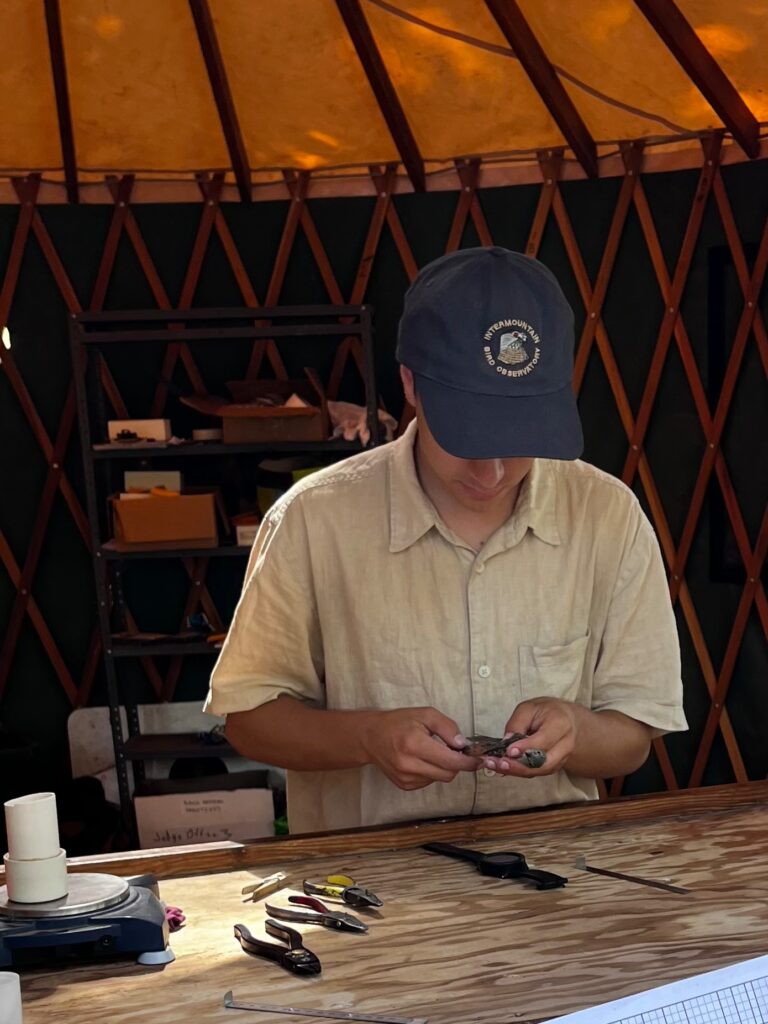
Hello, my name is Levi and I am the assistant owl bander this season. I grew up in Lansing and went to school at College of the Atlantic in Maine. My first field jobs were during college when I had the opportunity to work with American Herring Gulls and Leach’s Storm-Petrels on remote islands, and I never looked back. Since then l’ve focused primarily on songbird migration but I am excited to spend a season working with owls—it was seeing a Barred Owl for the first time that was the initial catalyst for my interest in birds.
Moving on to the true excitement, our first week of owl banding has been going well!
Typically a fairly slow week at the very beginning of the migration season, we have had three nights with good north to northwest or northeast winds, and have caught five owls, in addition to one subsequent recapture. Our first owl of the year came on opening night with this fine hatch year male Northern Saw-whet Owl (NSWO). Much less commonly caught in NSWO migration banding operations across North America for reasons still not fully known to science, any male is an exciting moment, although one that will certainly continue to occur uncommonly throughout the season.
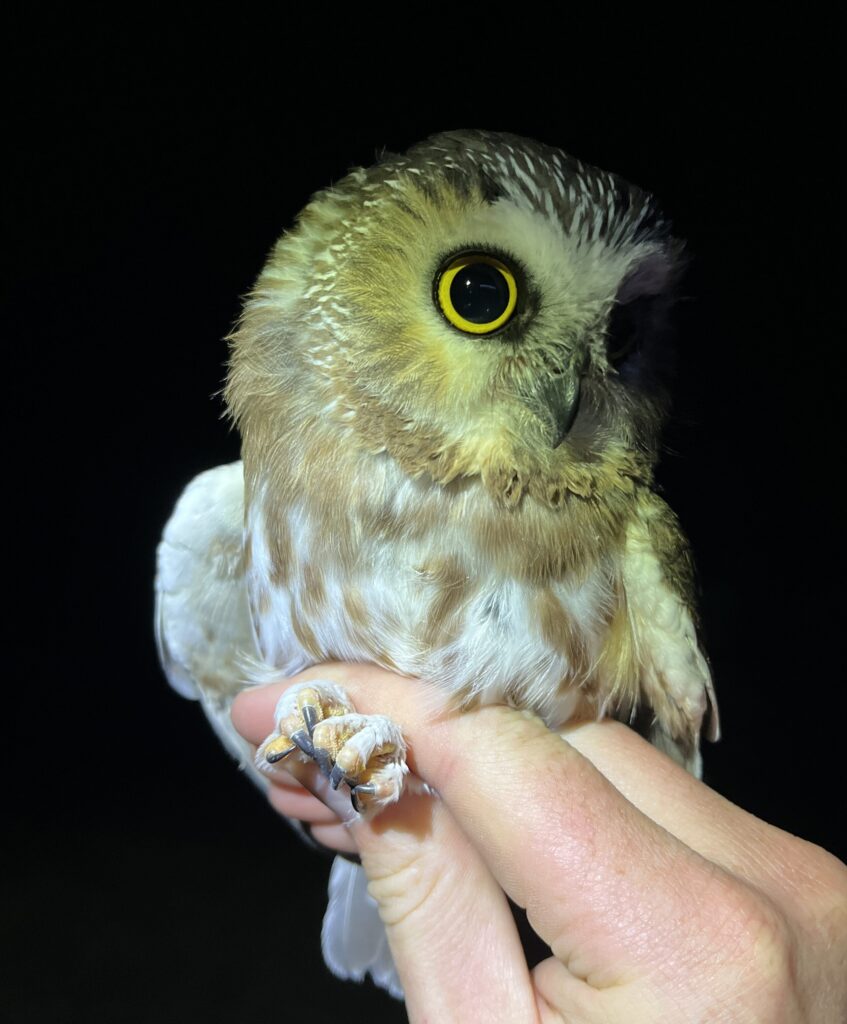
So far all of our birds but one have been aged as hatch years (HY), meaning they started out as eggs this spring and are making their very first movement away from the breeding grounds this fall. This is typical as the population swells with new birds every summer, declines slightly during the risks of migration and winter, and then returns as older, (and hopefully wiser!) birds to produce more young in the spring.
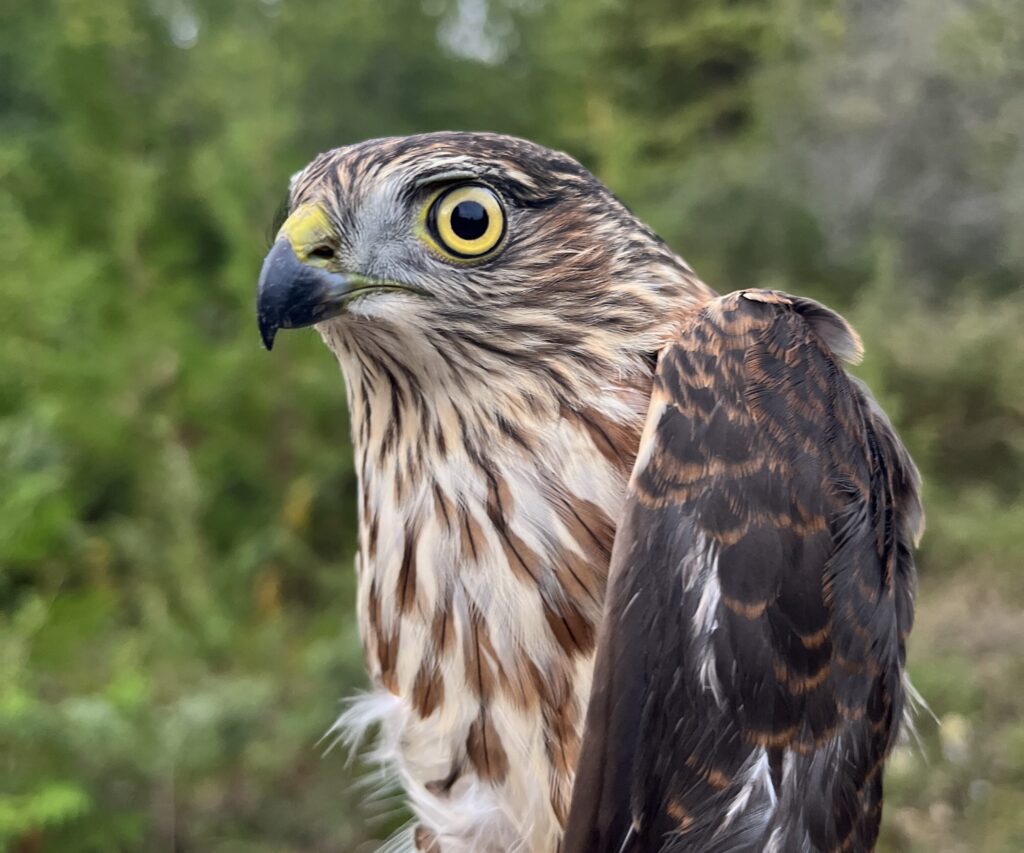
Other notable captures this week include: 1) The hatch year female Sharp-shinned Hawk pictured below, another small raptor species currently on the move, who flew into our nets during set up one evening. And 2) a Northern Flying Squirrel, identified from the similar Southern Flying Squirrel by white belly hairs turning darker at the base rather than remaining white, who glided into the nets one night near midnight and promptly began chewing holes.
That concludes this week’s report, thanks for reading and check back next week to see how the season has been progressing!
Species totals to date: NSWO 5, SSHA 1, WTSP 1, AMRO 1.