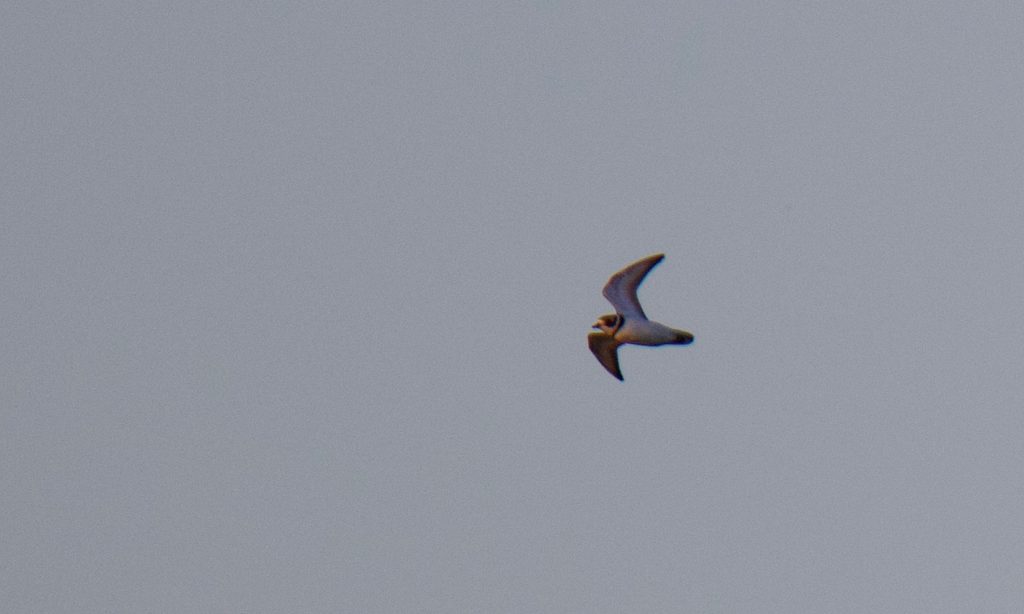
Season totals are in ().
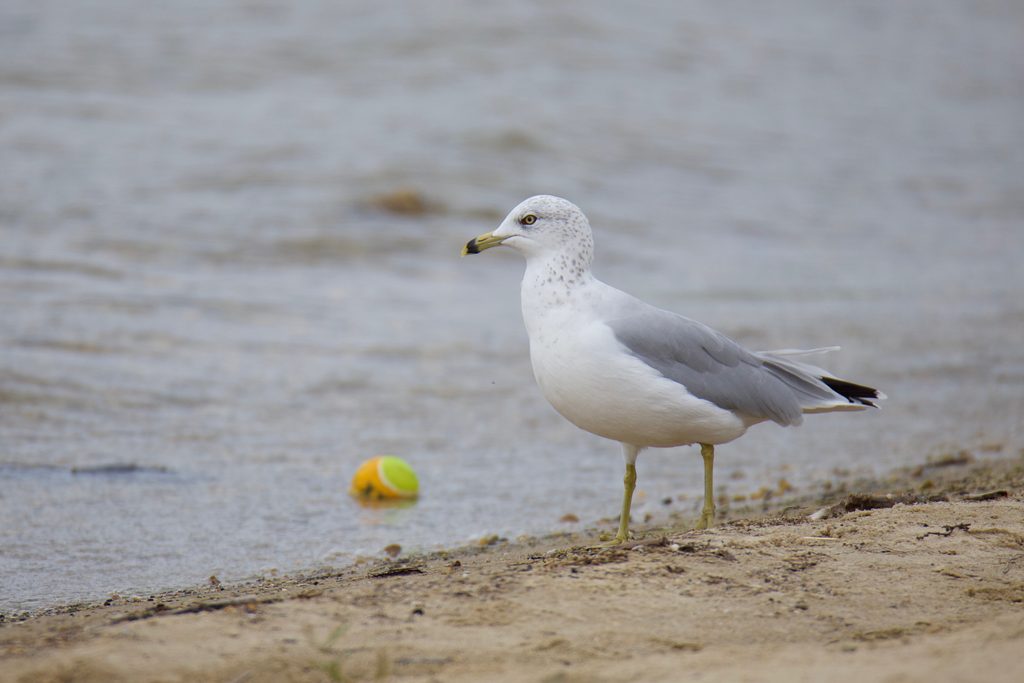
The count is officially a third of the way through the season and waterbird migration is well underway! So far, a total of 10,249 waterbirds have been counted. Nearby nesting birds such as Double-crested Cormorants(3,963), Ring-billed Gull(1,476) and American Herring Gull(347) consist of the majority of early numbers in the season, with dispersion and foraging from local sites. Other local breeding birds can still be seen daily from the count site like Common Merganser(307). Family groups of mergansers that foraged closely to the shoreline are now starting to thin out as groups head south to their wintering grounds.
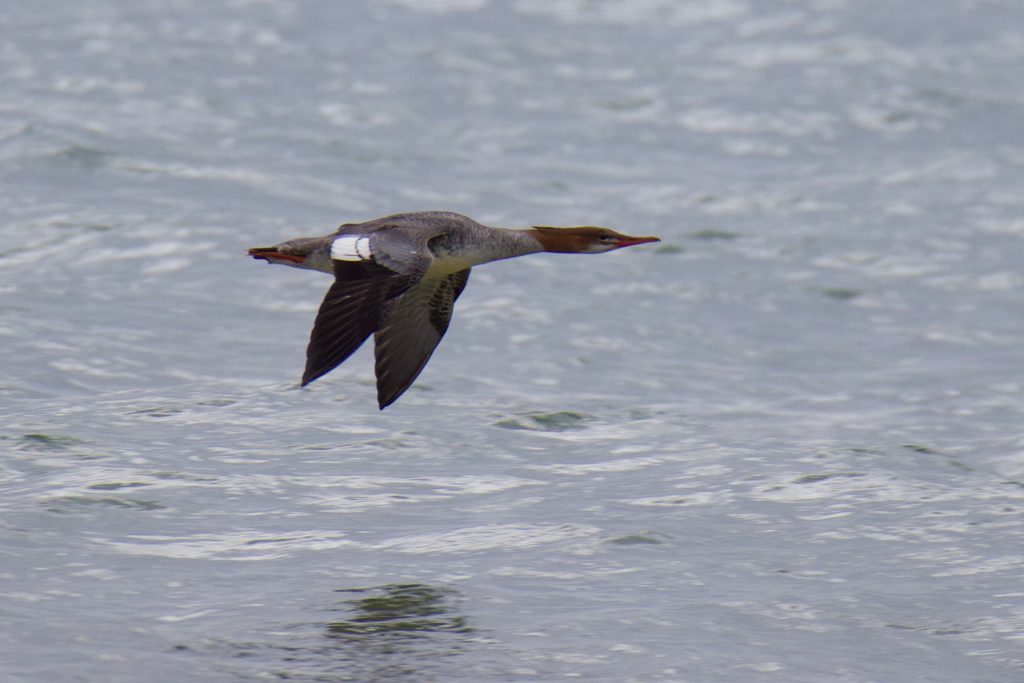
Waterfowl migration is complex, but trends highlight specific ‘windows’ or times during the spring and fall season that certain species tend to migrate. These can be referred to as peak migration windows. Red-necked Grebes(590) are within peak migration as numbers remain consistent but will taper off through the season. Peak White-winged Scoter(2) and Long-tailed Duck(0) flights will soon follow the cold weather. Sightings are still unexpected this early in the season. The anticipation of new season arrivals is one of the many exciting draws to waterbird counting. Which new species will be recorded next for the fall season?
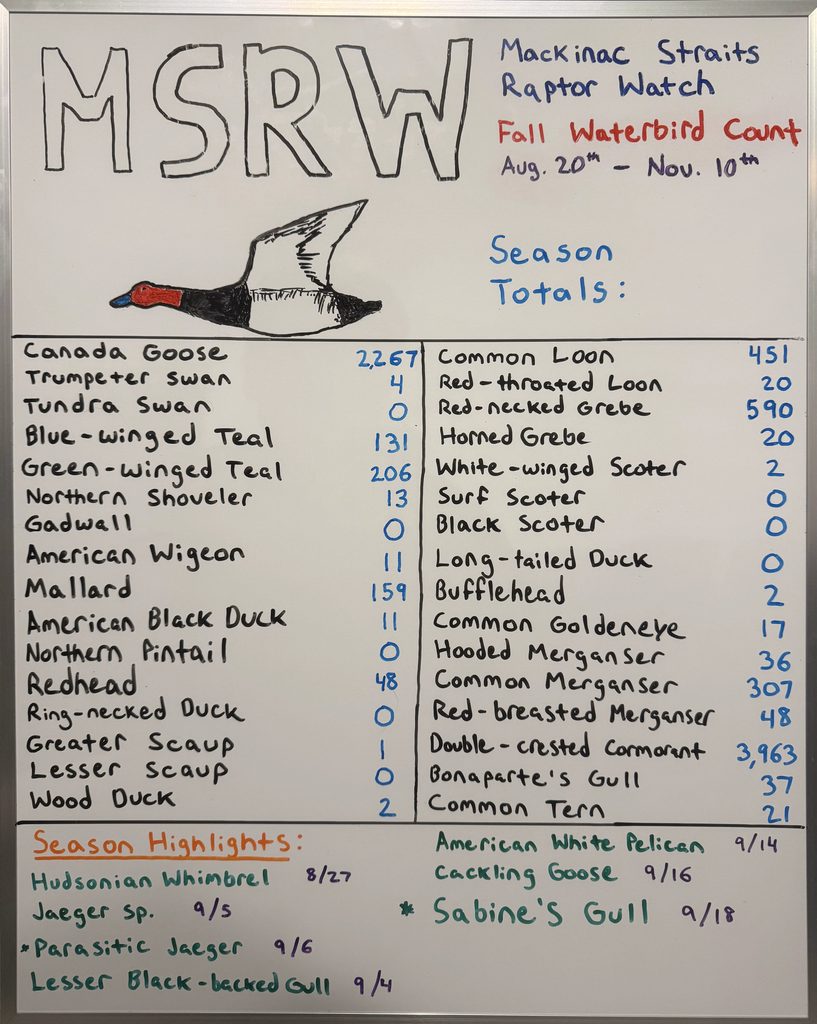
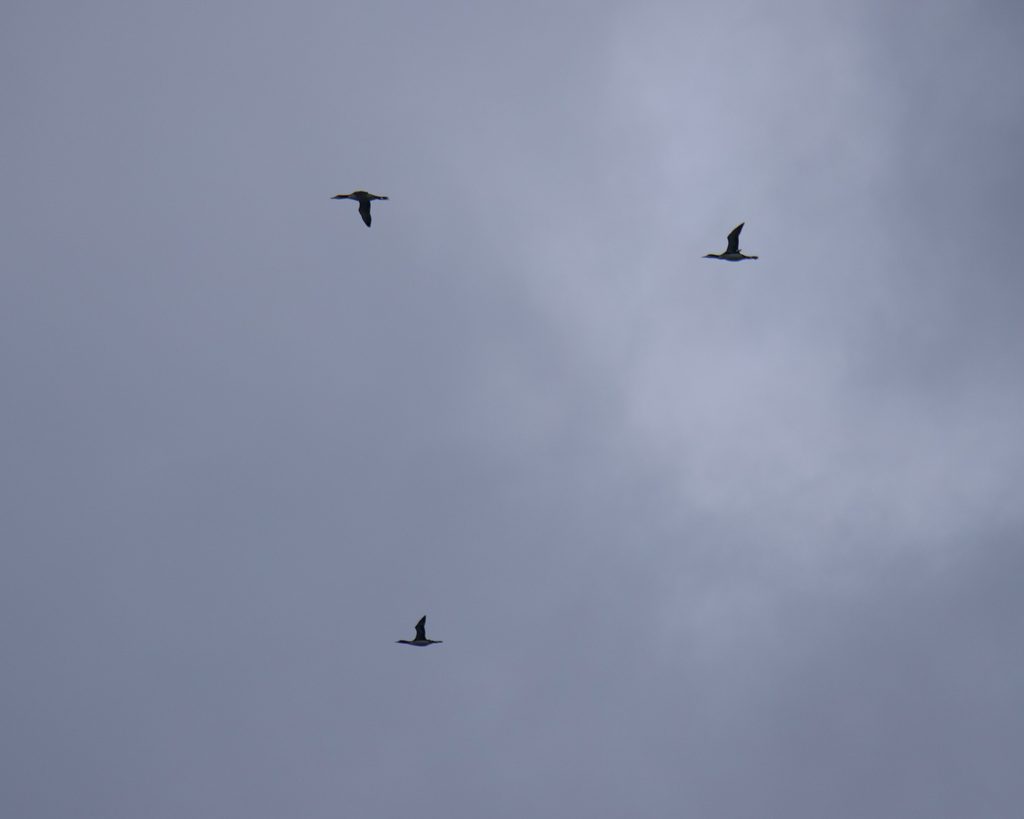
Common Loons(451) are one of the most prolific waterfowl species seen during the Mackinac Straits count season. Loons will reach peak migration window during the next few weeks. On the morning of September 13th, cold northwest winds spurred a productive flight of loons with 70+ recorded flying within one hour. Red-throated Loons are occasionally seen flying with Common Loons, allowing for a neat comparison.
With nearby nesting gull colonies, there is no shortage of these overlooked birds foraging and flying around the Straits area, primarily American Herring Gull and Ring-billed Gull. Migrant gull species are now dispersing through the Great Lakes. Two Lesser Black-backed Gulls(2) have been recorded this September. Bonaparte’s Gull(37) sightings are more frequent, often seen flying in small flocks. Gull diversity should continue to increase through the season.
This week brought several notable first waterbird sightings to the fall season – American White Pelican(2), Semipalmated Plover(1), Cackling Goose(2), and American Golden Plover(5)!! What will we see next? Don’t wait to find out, come join me!